
To give you a better understanding of the EXIM business landscape.

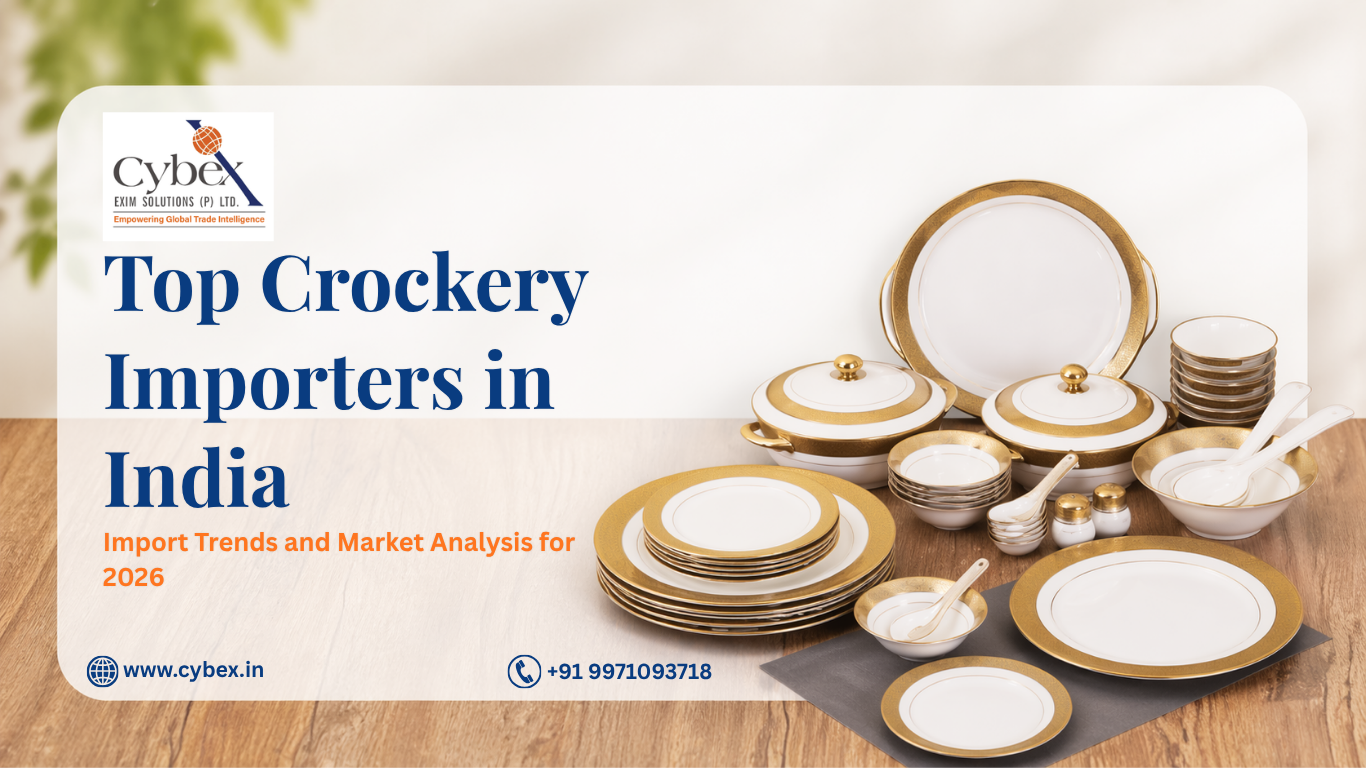
While walking even mid-tier cafe restaurant or a kitchenware store in either Delhi or Mumbai, and you’ll notice a variety of crockery and most of it isn’t made in India. Recently Crockery importers in India are playing an immense role in meeting the demand by sourcing high-quality products from across the global market.
India’s crockery import market relates to ceramic products, which is growing due to lifestyle changes.
This showcases an extensive import ecosystem, especially in premium and commercial areas.
India does have a domestic crockery manufacturing base unit but hasn't manage to fully meet the demand for premium, designed, or specialty tableware. Hospitality chains, retail brands, and even households are increasingly drawn to imported options largely because of the variety, finish quality, and price point offered by foreign manufacturers.
Reasons this import sector is booming:
Let’s see how Crockery HS Code crockery is classified in international trade.
|
HS Code |
Material |
Description |
|
6911 |
Porcelain/China |
Premium crockery |
|
69111000 |
Porcelain |
Tableware & kitchenware |
|
6912 |
Ceramic |
Non-porcelain crockery |
|
69120010 |
Earthenware |
Basic ceramic items |
|
69120090 |
Other ceramics |
Stoneware, mixed |
|
7013 |
Glass |
Glass tableware |
|
70133700 |
Glass |
Drinking glasses |
Knowing the correct Crockery HS Code is essential for calculating duties and pulling accurate Import Data for market research.
India's crockery imports are heavily dependent on several countries that have built strong manufacturing ecosystems.
China
China sets the pace and supplies the widest variety of crockery at highly competitive prices, from basic ceramic plates to premium products.
South Korea and Japan
countries preferred for premium ceramic and fine China products which particularly retails for the hospitality and luxury retail segments.
Germany
European imports cater to the niche and high-end buyers who prioritize craftsmanship, design, and brand reputation.
Thailand and Vietnam
These Southeast Asian nations have become growing suppliers, offering mid-range crockery at attractive price points.
Major import hubs include Mumbai, Delhi, Chennai, and Kolkata — cities with well-established customer chains and strong wholesale networks.
Tracking Import Data for crockery reveals some meaningful shifts happening in the market this year:
Crockery importers in India are dealing with a few pain points:
Despite the challenges, 2026 looks promising for anyone operating in this space:
Digital tools and verified Import Data platforms making supplier discovery easier and faster
India's crockery import in 2026 is maturing moving beyond just price-driven buying toward quality and compliance. For businesses that stay on top of HS Code classifications, use reliable Import Data to track market shifts, and build verified supplier relationships; the burgeoning demand here is genuine.
Whether you're already one of the established crockery importers in India or just exploring entry, the core principles of this market are solid and the demand is real.
1. Who imports crockery into India the most?
Homeware retailers, wholesale distributors, and gifting companies are the most active crockery importers in India.
2. Which HS codes are used for crockery imports?
The primary Crockery HS Code comes under Chapter 69 with 6911 code covering porcelain tableware and 6912 code covering other ceramic household articles.
3. Which country supplies the most crockery to India?
China is the leading provider, which is followed by Japan, South Korea.
4. How does import data help crockery businesses grow?
Import Data helps identify active buyers, track shipment volumes, monitor competitor sourcing patterns, and discover new supplier markets.
5. Is the crockery import market in India growing in 2026?
Yes, hospitality sector expansion, and growing retail demand are all contributing to consistent growth in crockery imports this year.
